If you’re the type of traveler who loves immersing yourself in local culture, you’re in the right place. That’s what we are going to do in our article today. Mexico as a whole, and the Yucatan Peninsula in particular, offers a rich tapestry of culinary history and traditions. Whether you plan to stay at an all-inclusive resort or take the road less traveled through rural tourism to discover charming colonial towns and small villages of the Yucatan Peninsula, you’ll likely come across this iconic dish either at your resort’s buffet or on the menu of a cozy, family-owned eatery. Today, we’re diving into the story of this beloved Yucatecan dish. We will explore its history, its recipe and why you simply have to give it a try, especially if you venture beyond the walls of your resort.
How Did Cochinita Pibil Become a Delicious Symbol of Yucatan’s History?
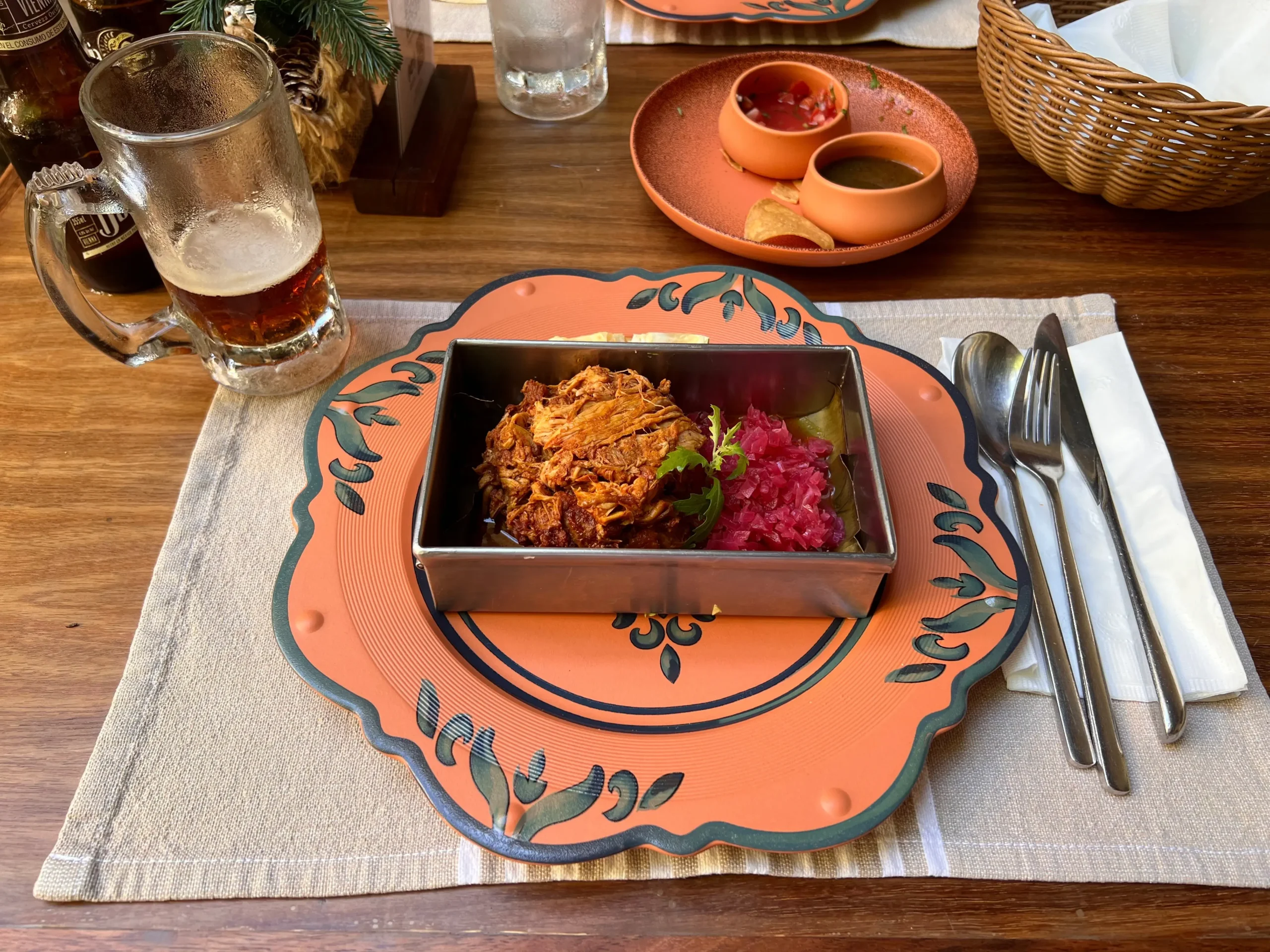
Cochinita pibil is a delicious dish from Mexico’s Yucatan Peninsula, famous for its rich flavors and fascinating history. Its origins date back to ancient Mayan culinary traditions. Back in the day they marinated meats like wild boar, venison, or pheasant with annatto (achiote) and cooked them slowly in an underground oven, that we know as a pib. When the Spanish arrived in the 16th century, they brought domestic pigs with them, which quickly became the meat of choice. This gave rise to the dish we now call “cochinita pibil.”
Etimology
The word “cochinita” translates to “little pig” in Spanish, indicating the use of young pork in the dish. The term “pibil” comes from the Mayan word “pib,” meaning “buried.” It is a reference to the traditional method of cooking the marinated meat in an underground oven.
Cochinita pibil is much more than just a tasty dish. It’s a meaningful part of cultural traditions and celebrations. Traditionally, people usually enjoy it at family gatherings or festive occasions. This culinary treasure beautifully reflects the fusion of ancient Mayan practices with Spanish influences, making it both historically significant and beloved by food lovers.
What Ingredients Go Into Cochinita Pibil Recipe?
But what makes this dish so special? Well, it comes down to a combination of thoughtfully chosen ingredients and traditional cooking methods. Today, preparing authentic cochinita pibil involves marinating tender pork in a vibrant mix of aromatic spices. The star ingredient of the cochinita pibil recipe is pork. Commonly used pork cuts include the shoulder, leg, loin, and head of loin. The choice is not random, people choose these parts for their perfect marbling that ensures juicy, tender meat.
Traditionally, people used the Yucatan Peninsula Hairless Pig to prepare cochinita pibil. It is a breed that dates back to the pigs that Spanish conquistadors introduced in the 16th century. Interestingly, these breeds produced a genotype with valuable characteristics. This breed adapted well to local conditions and became integral to Yucatan’s culinary traditions. However, in contemporary preparations, people use more commonly available pork breeds.
What Is Achiote?
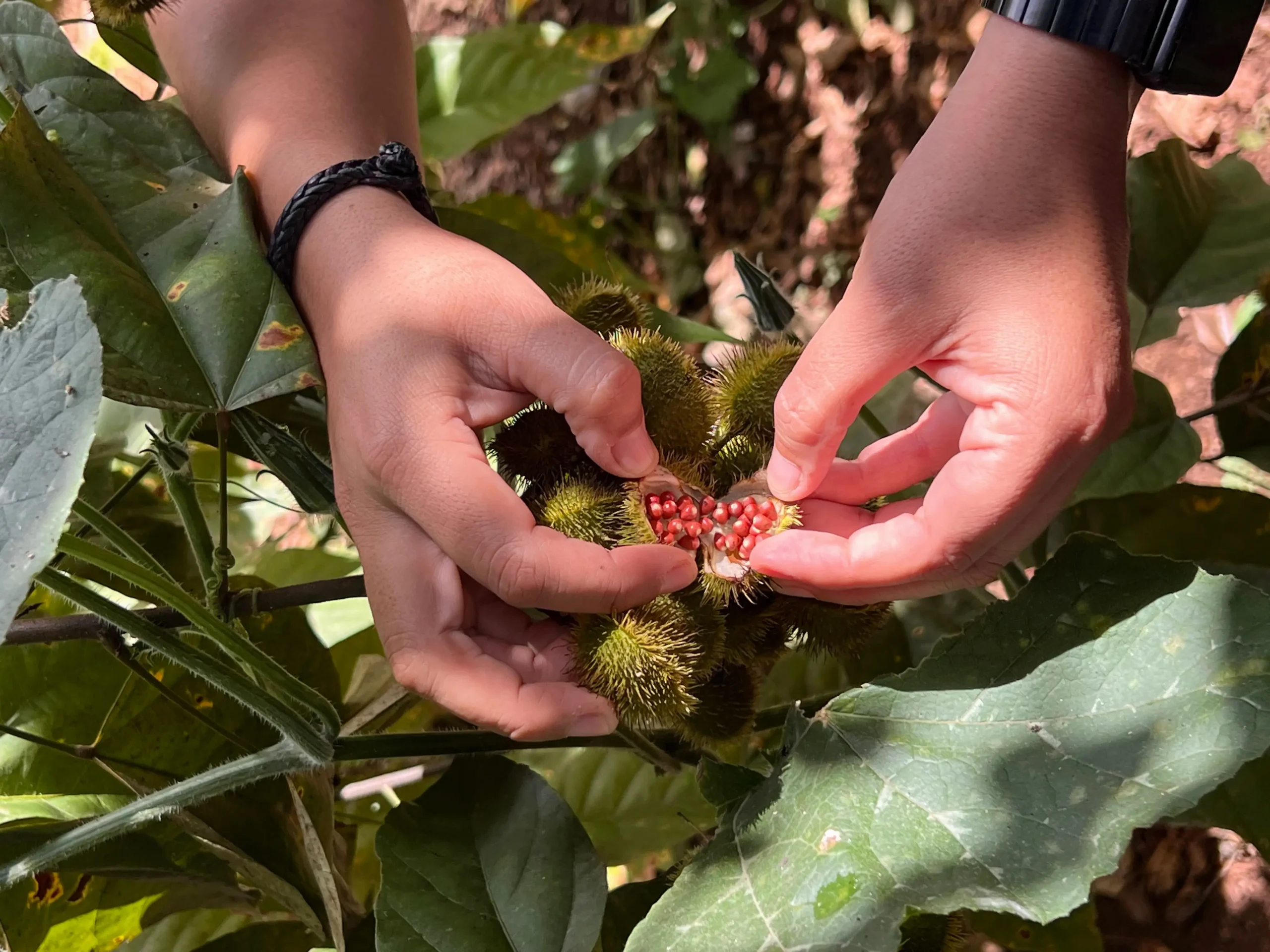
But what really sets cochinita pibil apart is achiote paste, made from annatto seeds. This paste gives the pork its iconic reddish color and a distinct earthy flavor.
Achiote, also known as annatto, is a natural orange-red condiment derived from the dried seeds of the Bixa orellana shrub. The shrub is native to tropical regions of the Americas. It is revered for its distinctive aroma, slightly peppery with hints of nutmeg and a mildly nutty, sweet flavor. Achiote lends a vibrant yellow to red-orange hue to dishes. Its culinary applications span Latin America and the Caribbean, where it features prominently in many traditional recipes. Beyond its role in the kitchen, achiote has a long history of use in traditional medicine for alleviating heartburn, fevers, and skin conditions. Modern studies also point to potential antioxidant, antimicrobial, and heart- and bone-supportive benefits.
To make the pork irresistibly tender and tangy, locals marinate it in sour orange juice. Though sometimes a blend of orange and lime juices does the trick. Other ingredients of the marinade may include garlic, and a medley of aromatic spices like Mexican oregano, cumin, cinnamon, cloves, allspice, black pepper, and coriander seeds. Each of these spices adds layers of complexity, creating that unmistakable taste profile.
Sour orange (or bitter/Seville orange), is a pomelo-mandarin hybrid that many chefs appreciate for its tangy flavor. With a thick, dimpled rind, it’s not really suitable for consumption as is. Instead, it’s valued for marmalade, sauces, marinades, and liqueurs. Often substituted with orange and lime juice, it also appears in traditional medicine and aromatherapy.
What is The Authentic Cochinita Pibil Recipe?
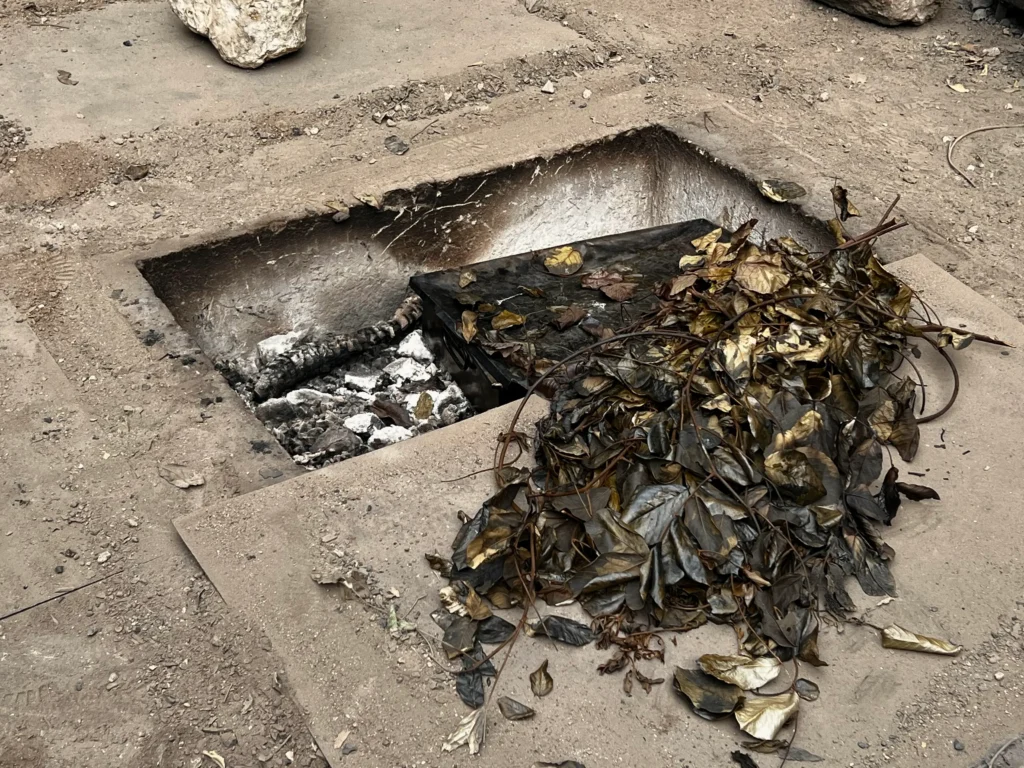
The very first step in making authentic cochinita pibil is getting the pib ready. A pib is basically an underground oven. It is similar to the pit used for traditional Mexican barbacoa, but unique because it relies solely on hot embers and heated stones. Wood is burned inside until it turns into glowing embers without active flames; that’s when the pib is perfect and ready to use.
Next, it’s time to prepare the “recado rojo,” or red seasoning paste. This flavorful marinade is a blend of spices traditionally used to give cochinita pibil its signature taste. The paste includes achiote seeds, roasted garlic, local oregano (oregano del país), black pepper, Tabasco pepper, cloves, cinnamon, and a bit of water to bind everything into a smooth paste.
In Mexico, particularly in the Yucatan Peninsula, ready-made recado rojo paste is commonly available in local supermarkets, including chains like Chedraui. This paste is typically packaged in small bricks and is a staple ingredient in Yucatecan cuisine.
While a blender or food processor can speed things up, Mayan women still prefer their limestone metates (grinding stones). According to local tradition, limestone metates are not only the most durable but also hold a fascinating historical connection. They’re ancient tools, sometimes thousands of years old, discovered underground and passed down through generations.
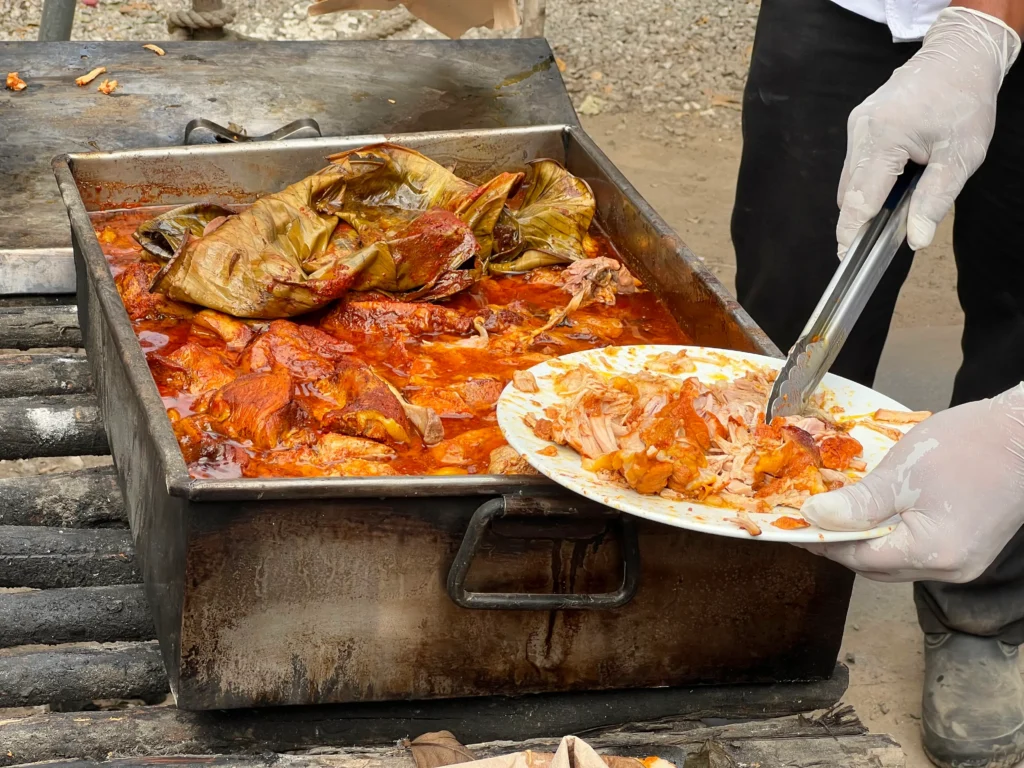
Once the recado paste is ready, as per the cochinita pibil recipe, locals mixed it with sour orange juice and generously rub over lightly salted pork. Interestingly, locals don’t marinate the pork for very long—around 30 minutes does the trick.
How Does It All Come Together?
To cook, they line a large pot with slightly toasted banana leaves to add flavor and retain heat. What happens next is they place the marinated pork on top, along with chunks of onion and tomato, and then use another banana leaf to cover everything. Then seal the pot and carefully place it into the pib, and bury under earth to cook slowly.
Then comes the hardest part: waiting. Depending on the amount of meat, cooking usually takes between three to five hours. But trust us — the delicious, tender result is absolutely worth the wait.
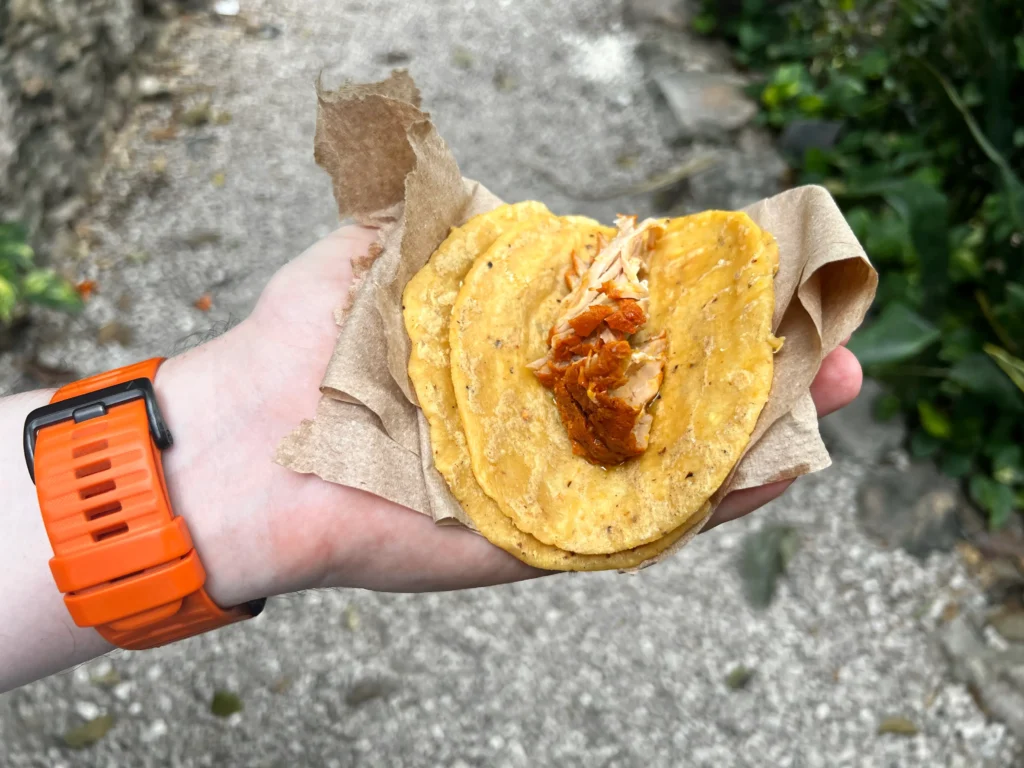
Cochinita pibil is usually served with tangy pickled red onions, warm corn tortillas, and a spicy habanero salsa. This makes each bite an authentic taste of Yucatan’s rich culinary heritage.
If you find yourself in Merida, Yucatan, you have the opportunity to see the unearthing of cochinita pibil, with a free tasting included! This experience takes place at 3:00 PM every day at the Restaurant ‘Museo de la Gastronomia Yucateca’.
Conclusion
Cochinita pibil is a signature dish of the Yucatan Peninsula. It is famous for its tender, slow-roasted pork marinated in achiote and citrus juices. Visitors to the Riviera Maya, including popular destinations like Cancun and Playa del Carmen, will find this delicacy on many restaurant menus. This reflects its cultural significance and widespread appeal.
Even guests at all-inclusive resorts in the region often have the opportunity to savor this dish, as these establishments often incorporate traditional Yucatecan dishes into their diverse culinary offerings. However, you must understand that they may not be following the cochinita pibil recipe to the letter. After all, it is not something set in stone.
For those seeking an authentic culinary experience during their visit to Cancun or the Yucatan Peninsula, cochinita pibil is a must-try dish that embodies the rich flavors and heritage of the area.
Want to learn more about the amazing Mayan people and their culture? We’ve got just the articles for you: “What Is the Mayan Language and Is It Still Spoken Today?” and “Why Are Mexico’s Mayan Ruins a Must-See for Everyone?”